
The Neuroscience of Trauma: How Trauma Changes the Brain
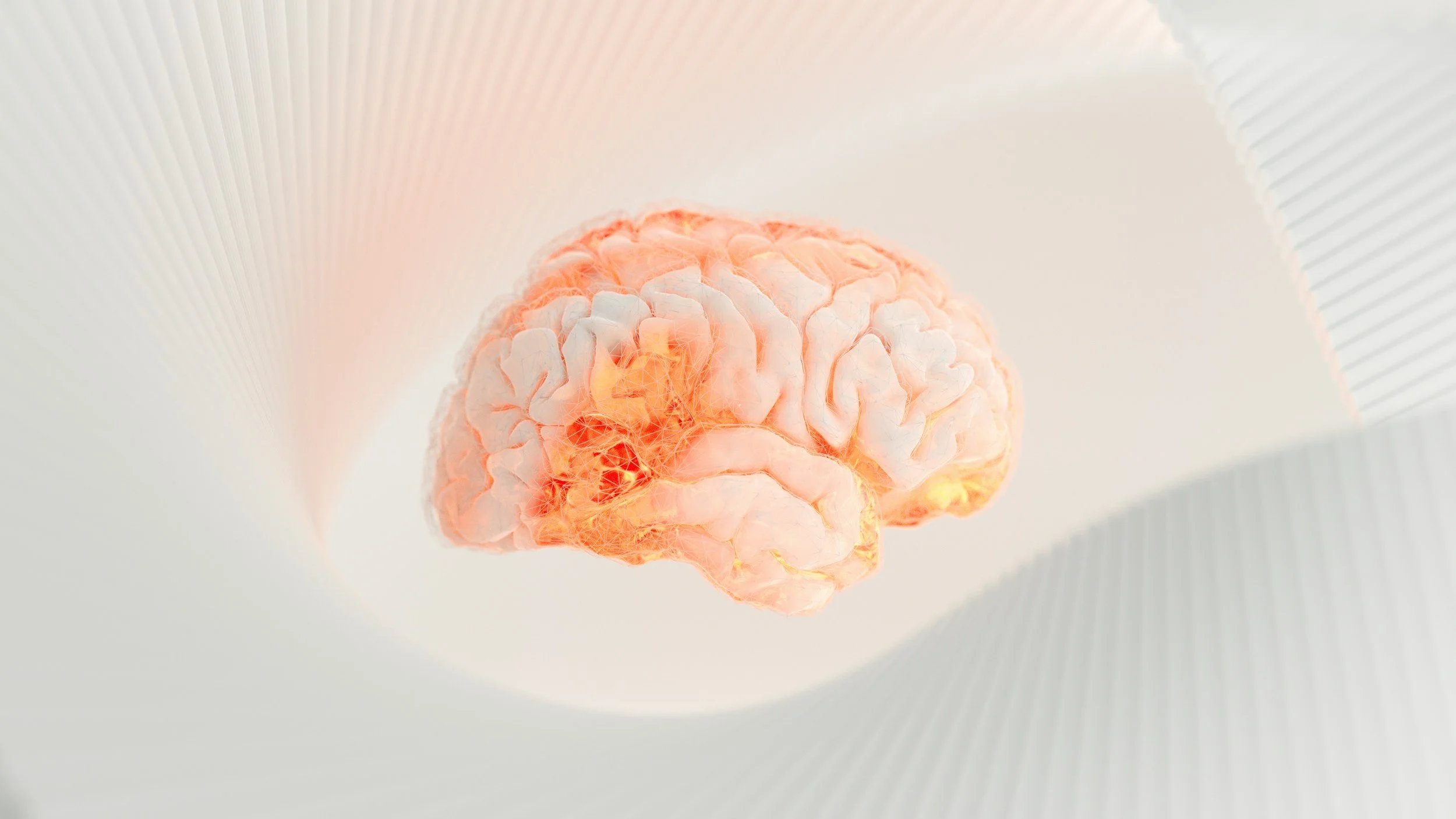
Trauma occurs when an experience overwhelms the brain’s ability to cope. It can stem from a single or multiple events, or from prolonged exposure to stress. Trauma is more than an emotional wound, though; it is a profound neurological event that reshapes how the brain perceives, processes, and responds to the world. Different parts of the brain are impacted in different ways, which often account for many of the “symptoms” of PTSD and other trauma related disorders. Just as it is important to have awareness of the emotional, cognitive, and behavioral impacts of trauma, understanding the changes it can cause to our brain gives us valuable information and another place from which to begin to heal.
The Brain’s Response to Threat
When faced with danger, the brain activates our inner “alarm system”, triggering fight, flight, or freeze responses. This alarm is controlled by the amygdala, a small almond-shaped structure responsible for detecting threats and triggering stress hormones like cortisol and adrenaline. Which response ends up being triggered (fight, flight, or freeze) is outside of our control and based things such as our amygdala’s assessment of the threat, what it determines needs to happen in order for us to survive, and how we have responded to other threats in the past.
Once the danger passes, the prefrontal cortex, the rational, decision-making part of the brain, helps calm the amygdala and restore balance. If the danger is too overwhelming, however, such as during a traumatic event, the prefrontal cortex may not be able to calm the amygdala. This can result in what could be described as a system overload, causing the prefrontal cortex and amygdala to become dysregulated. The amygdala remains hyperactive long after the trauma occurred, constantly scanning for danger even when none exists. The prefrontal cortex, overwhelmed by the constant stress signals, struggles to regulate emotional responses. This imbalance can lead to hypervigilance, anxiety, and a difficulty with distinguishing between real and perceived threats.
Our prefrontal cortex does not just play a part in regulating our agymdala, but also plays a crucial role in things such as impulse-control, decision making, and emotional regulation in general. Trauma can also weaken it’s ability to complete these functions, which makes it harder to manage intense emotions like fear, anger, or sadness. This diminished control contributes to emotional outbursts, dissociation, or numbness, common reactions among people who have experienced trauma or extreme stress.
Impacts to Memory
The hippocampus, which processes and stores memories, is another part of our brain that can be deeply affected by trauma. Chronic stress and the elevated cortisol levels being pumped out by the amygdala of a traumatized brain can shrink the hippocampus, impairing its ability to distinguish between past and present experiences. Additionally, when a traumatic event is occurring, the typical process of creating a memory and filing it away breaks down, leading to the event becoming “stuck” within the survival part of the brain.
These changes to the process of making memories that occur during a trauma, as well as the shrinking of the hippocampus, are why traumatic memories often feel as if they are happening in real time, leading to flashbacks and intrusive thoughts. When the hippocampus cannot properly contextualize memories, the brain struggles to integrate the traumatic event into a coherent narrative. Instead, fragments of sensory and emotional experiences remain scattered, resurfacing unpredictably.
Over time, all these changes to our brain cause it to prioritize survival over all else. This adaptation may be helpful in the short-term, especially if the original danger is still be around or if we are still in the environment or circumstances that existed when the original event occurred. Long-term, however, our emotional stability and cognitive flexibility is compromised, preventing us from living a connected, balanced life.
Neuroplasticity and Healing
Despite these profound impacts of trauma, the brain’s neuroplasticity offers hope for recovery. Neuroplasticity is the brain’s ability to reorganize and rewire its neural connections. It means that even if our brain has suffered the effects of trauma, it can recover and relearn (or learn for the very first time) what it means to feel safe, connected, and grounded. And this is something our brains can do no matter our age! Whether we continue to feel the effects of trauma from our childhood, or just recently experienced such an event, it is never too late harness this amazing power of our brains and heal from what has happened.
We can take advantage of this innate ability to heal that our brains have in many ways. Connection with others is one of the most important; since we are social creatures, our brains often learn from others, including things like emotional regulation. When we spend time with people who are well-regulated emotionally and supportive towards us, this can help the brain reestablish a sense of safety and begin to come out of survival mode.
There are also many individual practices that can help us improve self-regulation. Ensuring our basic needs are met, such as eating nutritious food, staying hydrated, ensuring enough sleep, and staying away from drugs and alcohol, ensures we mentally have a good foundation from which to face life stressors. Learning and practicing mindfulness helps us learn to remain in the present moment in a non-judgemental way, improving our ability to manage and tolerate various thoughts and emotions. Even regular exercise and movement can help give us a way to release some of the stress and tension that we hold onto after a trauma, while releasing “feel good” endorphins.
Sometimes individual practices may not be enough to fully take advantage of our brains neuroplasticity; if a trauma was especially intense or has left us with particularly severe reactions, we may need a deeper level of healing. Or, we may not have access immediately around us to the things we need to heal, such as safe supportive relationships. This is where therapy comes in. A therapeutic relationship with a therapist can become a starting point for co-regulation and learning what safe relationships can be. Skills learned and processing done in therapy helps retrain the brain to respond differently to stress. Therapeutic interventions can strengthen the prefrontal cortex, calm the amygdala, and support the hippocampus in integrating traumatic memories. As these effects start to help
Ultimately, healing from trauma is not about erasing painful memories, but about restoring balance to the brain’s systems. While trauma can change our brain’s structures and how they function, neuroplasticty means we can rewire and relearn how to feel safe and connected. Through therapy, supportive relationships, and self-regulation practices, individuals can rebuild neural pathways that promote safety, connection, and resilience, allowing them to live more balanced, grounded, fulfilling lives.